
"19th century coffee"
200 article(s) found

Kenyan boutique coffee introduction Kenyan coffee specialty Kenyan coffee flavor Kenyan coffee
It entered Kenya in the 19th century, when Ethiopian coffee drinks were imported into Kenya through southern Yemen. But it was not until the early 20 th century that the Bourbon Coffee Tree was saint. The Austin Mission (St.AustinMission) was introduced. Kenyan coffee is mostly grown at 15002100 meters above sea level and is harvested twice a year. To ensure that only ripe berries are picked, people must patrol the forest

Coffee shop appreciates German decoration pano brot & kaffee
In 1721, the earliest coffee shop in Germany was born in Berlin. As soon as cafes became popular in Germany, they were restricted by the local authorities. Therefore, compared with other countries, the development of German coffee is relatively simple. It was not until the early 19th century that coffee became one of the best money-making tools at the disposal of Germans. The vigorous development of coffee cultivation in Latin America and Central America in the mid-19th century

Kenyan coffee with a wonderful fruit flavor
It entered Kenya in the 19th century, when Ethiopian coffee drinks were imported into Kenya through southern Yemen. But it was not until the early 20 th century that the Bourbon Coffee Tree was saint. The Austin Mission (St.AustinMission) was introduced. Kenyan coffee is mostly grown at 15002100 meters above sea level and is harvested twice a year. To ensure that only ripe berries are picked, people must patrol the forest
World Coffee-2
The first European description of coffee in 1573 was through German doctors staying in Syria. In the second half of the 16th century, the European people who traveled on the east coast of the land gradually spread. The British East India Company was established in 1660 and the East India Company was established in the Netherlands in 1602. The East India Company refers to the trade between Asia and Europe, South Asia and the East in the 17th and 19th centuries.

Coffee spread-2
The first European description of coffee in 1573 was through German doctors staying in Syria. In the second half of the 16th century, the European people who traveled on the east coast of the land gradually spread. The British East India Company was established in 1660 and the East India Company was established in the Netherlands in 1602. The East India Company refers to the trade between Asia and Europe, South Asia and the East in the 17th and 19th centuries.
Coffee Culture World Coffee History Development process 2
The first European description of coffee in 1573 was through German doctors staying in Syria. In the second half of the 16th century, the European people who traveled on the east coast of the land gradually spread. The British East India Company was established in 1660 and the East India Company was established in the Netherlands in 1602. The East India Company refers to the trade between Asia and Europe, South Asia and the East in the 17th and 19th centuries.
In the 1850s, coffee was brought by missionaries to Vivetnam fruit-producing area of Guatemala's fine coffee.
In the 1850s, coffee was brought to Guatemala by missionaries. In the 19th century, with the invention of European synthetic dyes, Guatemala's original important export industry was hit, coffee gradually became an important export, and coffee cultivation gradually expanded. By the end of the 19th century, coffee had played an important role in the politics and economy of Guatemala, and large coffee farmers had a huge influence on the political situation.
A brief History of Coffee in the World (2)
The first European description of coffee in 1573 was through German doctors staying in Syria. In the second half of the 16th century, the European people who traveled on the east coast of the land gradually spread. The British East India Company was established in 1660 and the East India Company was established in the Netherlands in 1602. The East India Company refers to the trade between Asia and Europe, South Asia and the East in the 17th and 19th centuries.
A brief History of World Coffee (2) World History of Fine Coffee
The first European description of coffee in 1573 was through German doctors staying in Syria. In the second half of the 16th century, the European people who traveled on the east coast of the land gradually spread. The British East India Company was established in 1660 and the East India Company was established in the Netherlands in 1602. The East India Company refers to the trade between Asia and Europe, South Asia and the East in the 17th and 19th centuries.
In the 1850s, coffee was brought by missionaries to Vivetnam fruit-producing area of Guatemala's fine coffee.
In the 1850s, coffee was brought to Guatemala by missionaries. In the 19th century, with the invention of European synthetic dyes, Guatemala's original important export industry was hit, coffee gradually became an important export, and coffee cultivation gradually expanded. By the end of the 19th century, coffee had played an important role in the politics and economy of Guatemala, and large coffee farmers had a huge influence on the political situation.

Cultural History of Fine Coffee Coffee Communication History (2)
The first European description of coffee in 1573 was through German doctors staying in Syria. In the second half of the 16th century, the European people who traveled on the east coast of the land gradually spread. The British East India Company was established in 1660 and the East India Company was established in the Netherlands in 1602. The East India Company refers to the trade between Asia and Europe, South Asia and the East in the 17th and 19th centuries.
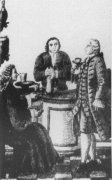
The Development of World Coffee in World History 2
The first European description of coffee in 1573 was through German doctors staying in Syria. In the second half of the 16th century, the European people who traveled on the east coast of the land gradually spread. The British East India Company was established in 1660 and the East India Company was established in the Netherlands in 1602. The East India Company refers to the trade between Asia and Europe, South Asia and the East in the 17th and 19th centuries.

The origin of instant coffee starts from a major event in history.
Around the 19th century, coffee gradually formed a coffee culture after its development and precipitation in Europe. Coffee culture was reborn in Europe, but it was sublimated and brilliant in the United States, so that coffee is now popular all over the world. The birth of instant coffee starts from a major event in history. At the beginning of the 18th century, coffee conquered the city and territory of London, England, and it was about to turn against the sky.
Fine Coffee Science explains the spread History of Coffee in detail (2)
The first European description of coffee in 1573 was through German doctors staying in Syria. In the second half of the 16th century, the European people who traveled on the east coast of the land gradually spread. The British East India Company was established in 1660 and the East India Company was established in the Netherlands in 1602. The East India Company refers to the trade between Asia and Europe, South Asia and the East in the 17th and 19th centuries.

Guayama: the birthplace of Puerto Rican culture
Following Cafe (Wechat official account vdailycom) found that the Beautiful Cafe opened a small shop of its own, Guayama: Guayama, the birthplace of Puerto Rican culture, is located on the Caribbean coast, giving birth to many artists and musicians. Composer Catalino was born here. He wrote many famous songs and spread widely. In the 20th century, the African-American Andy Lano school

Salvadoran Coffee appreciates the brief History of Salvadoran Coffee
For more information on coffee beans, please follow the coffee workshop (Wechat official account cafe_style) A brief history of coffee in El Salvador: in the mid-19th century, El Salvador became independent from Nicaragua after the disintegration of the Union, and its cash crop was mainly locust blue, a crop used to make indigo dyes, until after the mid-19th century, when chemical dyes were invented.
Coffee short story-German coffee
In 1721, the earliest coffee shop in Germany was born in Berlin. As soon as cafes became popular in Germany, they were restricted by the local authorities. Therefore, compared with other countries, the development of German coffee is relatively simple. It was not until the early 19th century that coffee became one of the best money-making tools at the disposal of Germans. Coffee farming was vigorously developed in Latin America and Central America in the mid-19th century.

The History of the spread of Fine Coffee Culture and Common sense Coffee (2)
The first European description of coffee in 1573 was through German doctors staying in Syria. In the second half of the 16th century, the European people who traveled on the east coast of the land gradually spread. The British East India Company was established in 1660 and the East India Company was established in the Netherlands in 1602. The East India Company refers to the trade between Asia and Europe, South Asia and the East in the 17th and 19th centuries.

The History of the spread of Fine Coffee Culture and Common sense Coffee (2)
The first European description of coffee in 1573 was through German doctors staying in Syria. In the second half of the 16th century, the European people who traveled on the east coast of the land gradually spread. The British East India Company was established in 1660 and the East India Company was established in the Netherlands in 1602. The East India Company refers to the trade between Asia and Europe, South Asia and the East in the 17th and 19th centuries.

Coffee short Story German Coffee Culture History
In 1721, the earliest coffee shop in Germany was born in Berlin. As soon as cafes became popular in Germany, they were restricted by the local authorities. Therefore, compared with other countries, the development of German coffee is relatively simple. It was not until the early 19th century that coffee became one of the best money-making tools at the disposal of Germans. Coffee farming was vigorously developed in Latin America and Central America in the mid-19th century.